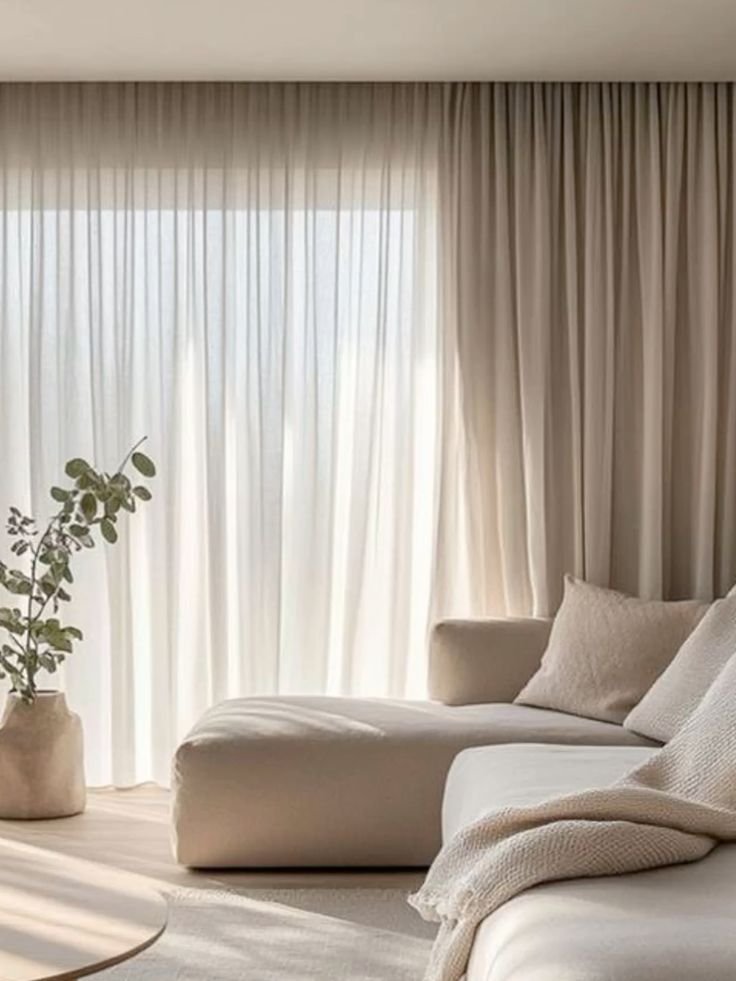
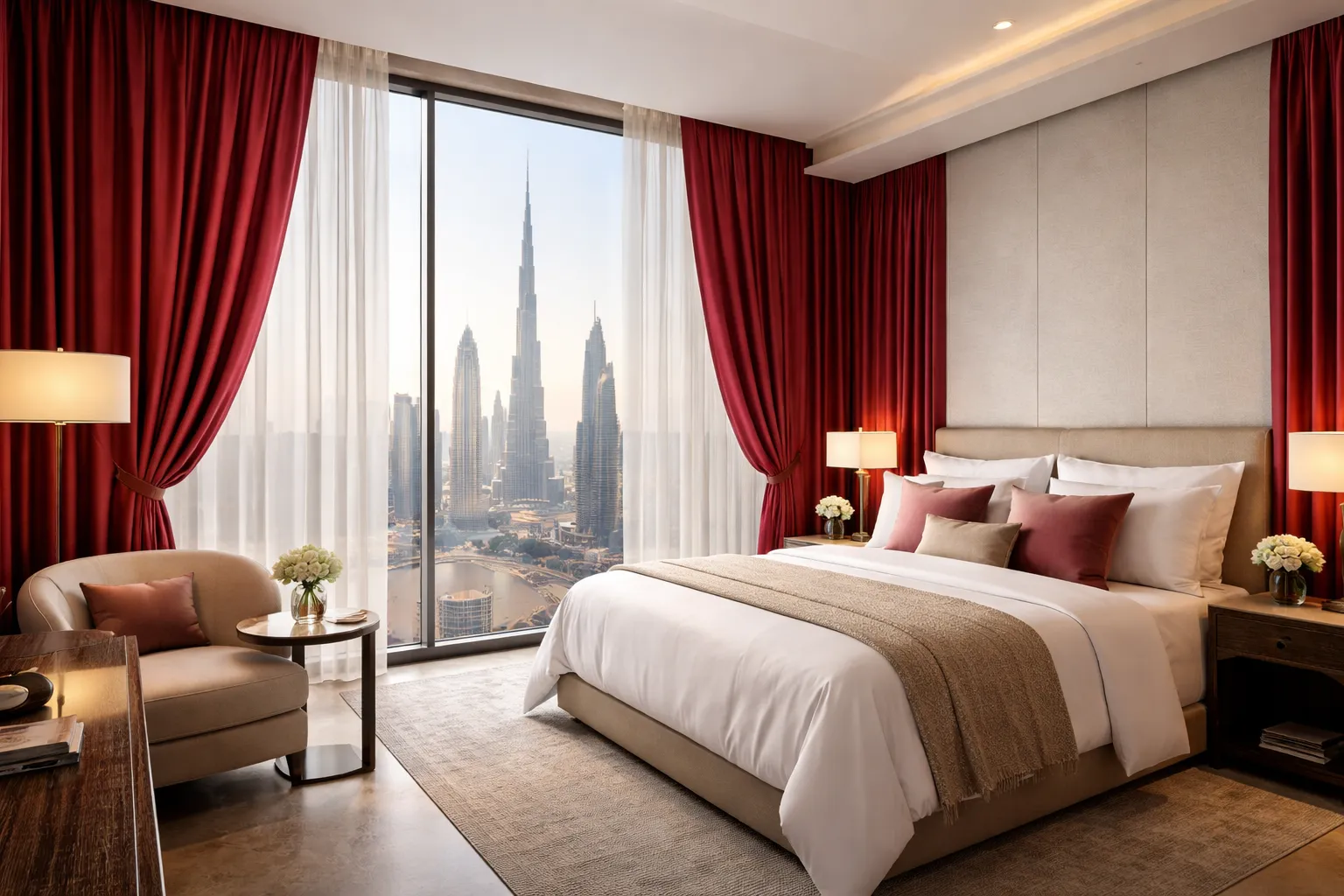
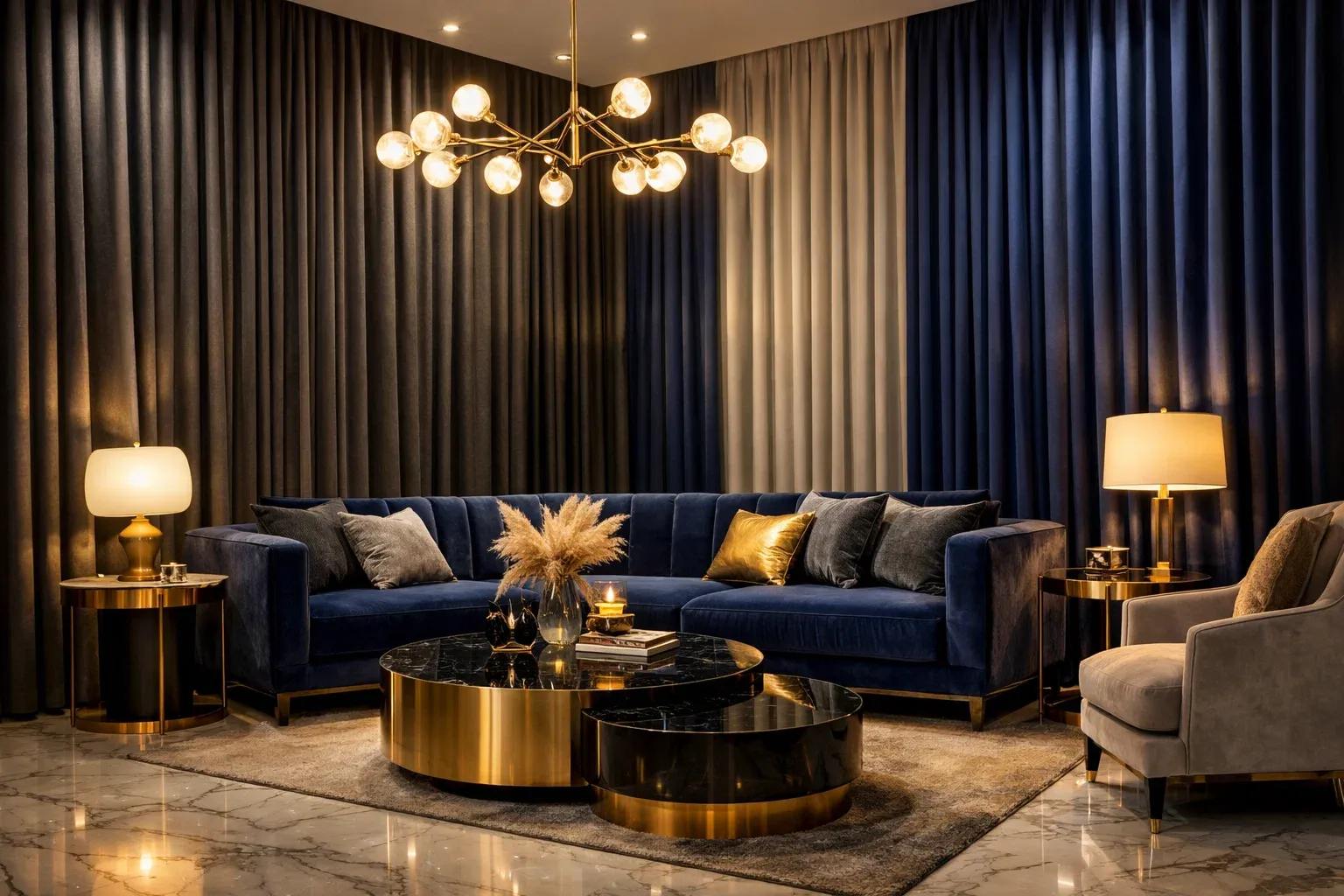
Linen Curtains Dubai — Natural Luxury, Made to Measure
Natural linen curtains made to measure for Dubai homes. Available unlined, lined, or with full blackout — in wave, eyelet, or pinch pleat heading. The most versatile premium fabric in our range.
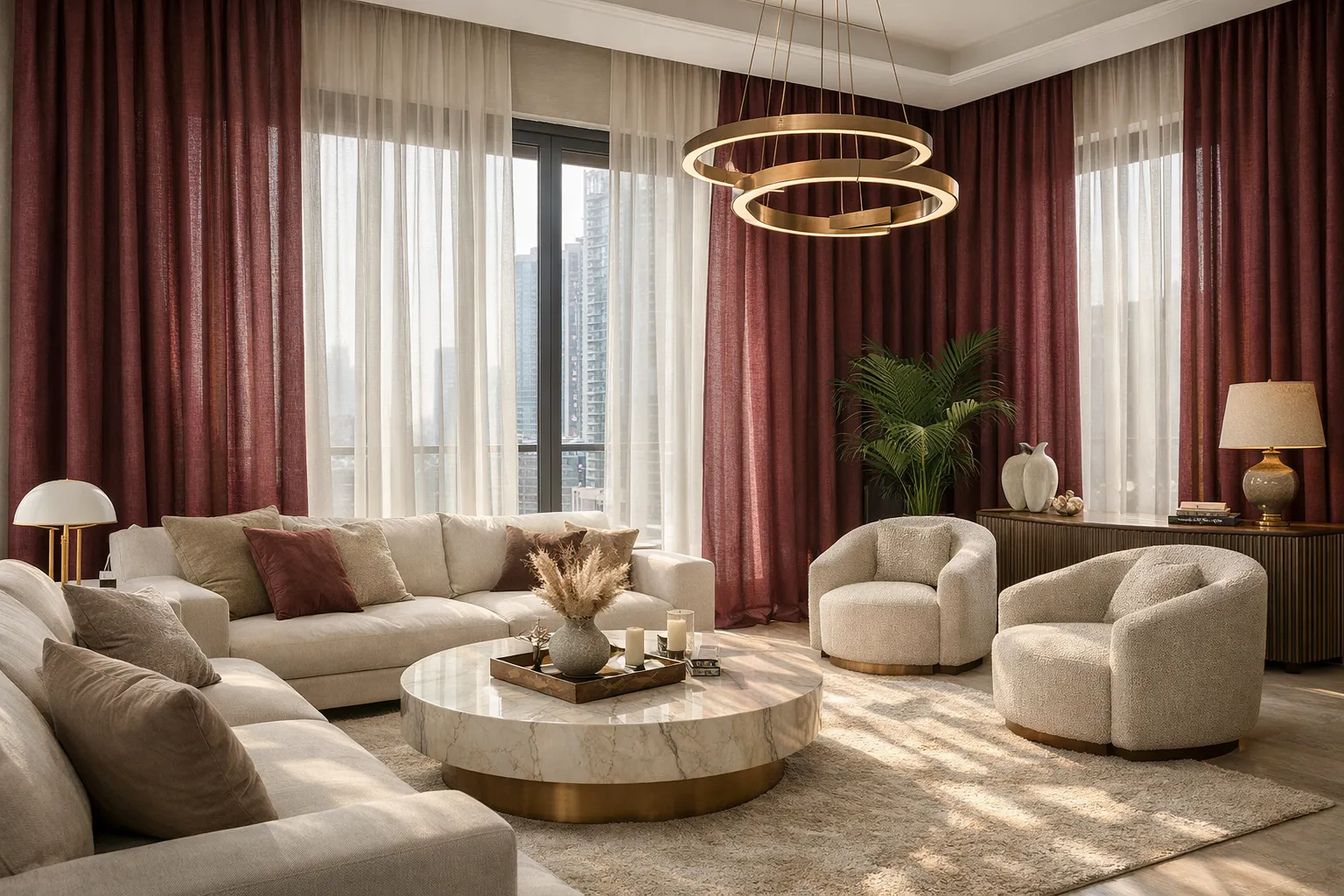
The Premium Fabric Dubai Homes Love Most
Linen is the fabric of choice in Dubai's premium developments for good reason. It drapes beautifully, it ages even better than it looks new, and it works in every room — from the bedroom to the living room to the study. The natural texture reads as understated luxury without trying too hard.
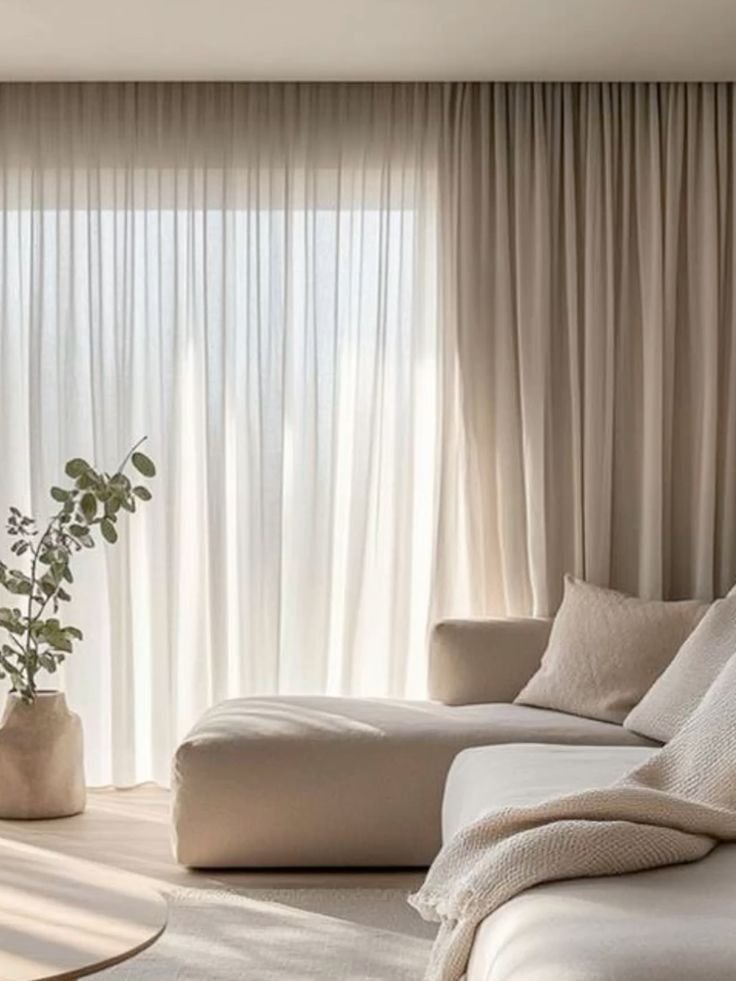
What's Included With Your Linen Curtains
Every order includes the correct track hardware, made-to-measure fabric, and professional fitting — all in a single instant digital quote with no hidden charges.
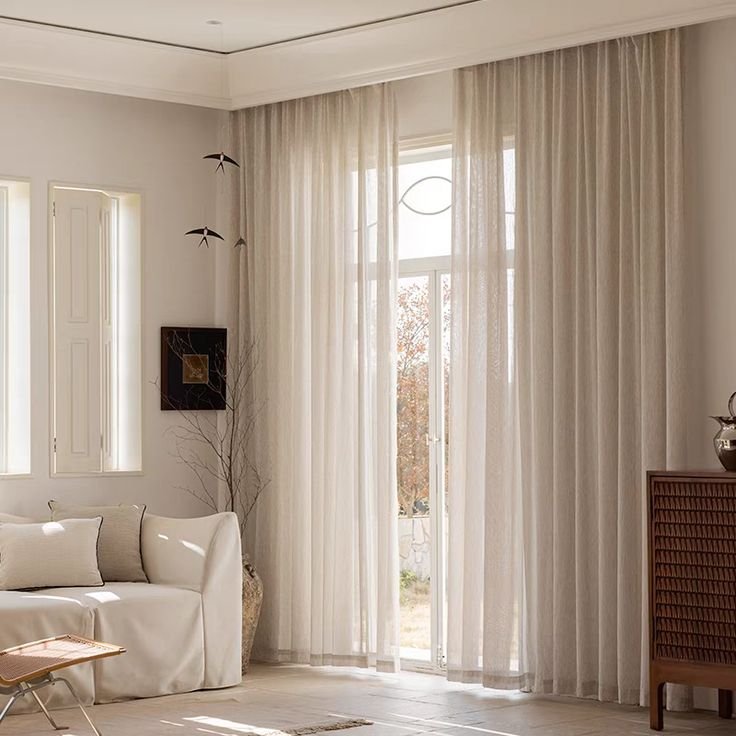
Professional Fitting — Start to Finish.
Linen Curtains Made for Dubai.
Loved Across Dubai.
We went with natural linen throughout the villa — wave heading in the living areas and blackout-lined linen in the bedrooms. The consultant's advice was spot-on. The whole house looks cohesive and beautifully understated.
Rex fitted linen curtains in our new-build. The fabric is visibly better quality than what I'd seen elsewhere and the wave heading installation is perfect. Six months on and they're still looking immaculate.
I wanted something that wasn't blackout but still had some privacy. The sheer linen was the perfect answer — light, natural-looking, still private during the day. Eyelet heading, super easy to open and close.
Linen Curtains — Everywhere We Serve.
Explore Other Curtain Services.
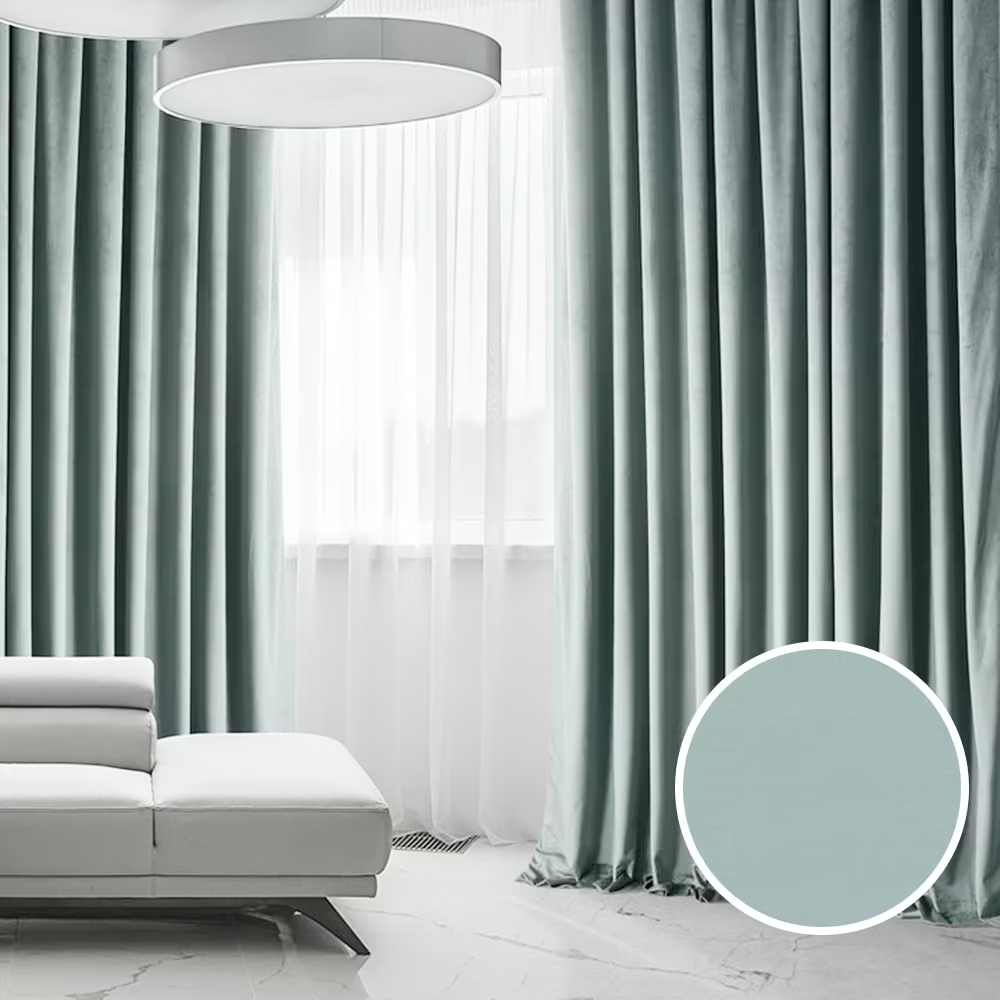
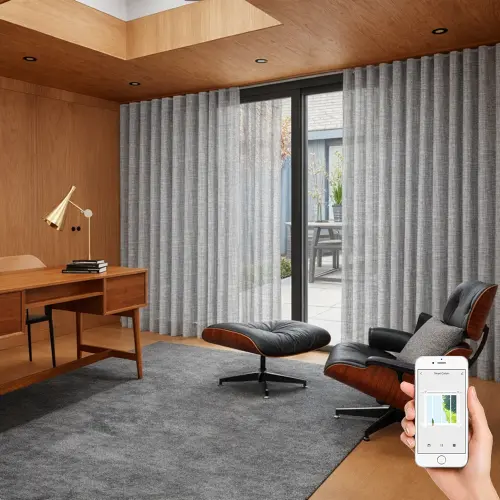
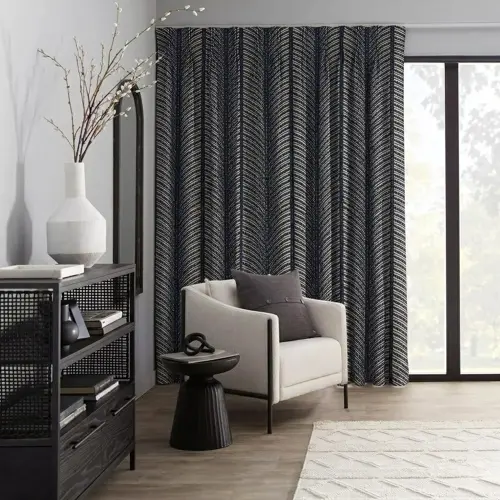
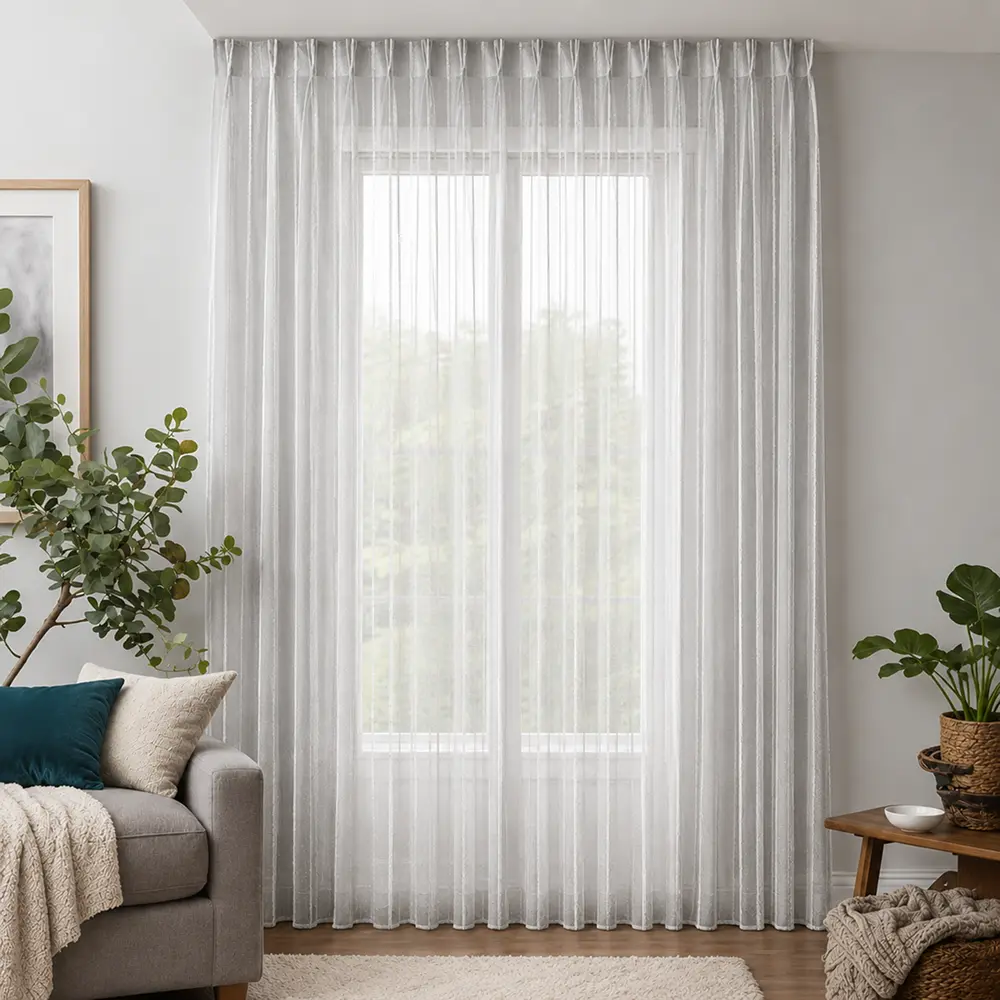
The Complete Guide.
Expert advice from our Dubai fitting team — everything you need to know before you choose.
Read Full GuideLinen curtains have become the default specification for premium residential interiors across Dubai over the past five years, displacing polyester and cotton alternatives as the preferred natural-fibre choice. The appeal is partly visual — the textured, matte surface and natural variation in linen weave suits the neutral palette (white walls, stone floors, timber and metal accents) that dominates Dubai's new-build residential market — and partly tactile. Linen drapes with a weight and movement that no synthetic fabric can replicate, and it improves with age, softening and relaxing into a more settled drape over its first year of use.
The practical distinction between natural linen and linen-polyester blends matters in Dubai's climate. Natural linen (100% flax) has a more organic texture and subtle colour variation that many clients find desirable, but it is more prone to creasing in humid conditions — particularly relevant in coastal areas such as Dubai Marina and Palm Jumeirah — and fades more quickly in direct sun than blended alternatives. Linen-polyester blends (typically 55% linen, 45% polyester) maintain the essential linen character while improving stability: they resist creasing, hold colour longer, and stretch less over time. We carry both in our sample collection and advise on the appropriate specification based on your window orientation and property location.
Heading selection affects how linen behaves noticeably. Wave heading in medium-weight linen produces a crisp, consistent fold — the most contemporary result and the most widely specified in Dubai's new apartments. Eyelet heading in linen creates a more relaxed fold that suits the natural character of the fabric in informal rooms. Pinch and pencil pleat produce a denser, more formal gather that works well in dining rooms and master bedrooms with a traditional interior scheme. The heading also determines the fabric fullness required — and therefore the total fabric cost. We discuss all heading options at the home visit with actual samples so you can see the drape of each against your window before deciding.
Lining is the decision that most affects how linen curtains perform in practice. Unlined linen is relatively translucent — appropriate if you want a diffused light effect — but provides no meaningful evening privacy and no thermal or acoustic benefit. A standard cotton lining adds body and opacity while allowing the linen to drape naturally. A thermal lining adds a silvered layer that reflects heat, useful on west-facing windows with afternoon sun exposure. A blackout lining eliminates all light. The correct lining depends on your window orientation, privacy requirements, and light control preferences — we discuss this for each window individually rather than applying a single specification across all rooms.